Reset Your Workday With Office Break Mobility Flows and Short Walks

Welcome to a refreshing approach that blends Office Break Mobility Flows paired with short walks into the rhythm of your day, transforming quick pauses into energizing resets. Expect simple sequences, research-backed benefits, adaptable routes, and community tips that keep momentum friendly, inclusive, and sustainable. Try a flow, share your favorite hallway loop, and subscribe for weekly micro-challenges crafted to make movement effortless.

Circulation and Posture Reboot

Sitting compresses hips and slows circulation; gentle flows reverse that story quickly. Think neck glides, shoulder rolls, and thoracic rotations that reawaken long-silent muscles. When you stand and stroll for even a few minutes afterward, calves act as second hearts, pushing blood upward. The payoff arrives as warmer hands, refreshed eyes, and posture that feels self-supporting instead of forced, making the next block of deep work feel surprisingly manageable.

Cognition and Creativity Sparks

Movement nudges your brain out of tunnel vision. A widely cited Stanford experiment found walking boosts creative ideation compared with sitting, an insight countless professionals now apply between meetings. Pairing a fluid, rhythmic mobility set with a brisk circuit of the corridor helps reset attention and mood without caffeine. Many readers report ideas surfacing mid-loop, along with kinder self-talk and easier prioritization afterward, making deadlines feel less like cliffs and more like well-marked trails.

A Friendly Nudge to Metabolism

You do not need vigorous exercise to feel steadier energy. Light walking breaks—two to five minutes every half hour—are increasingly recognized for helping temper post-meal dips and discomfort from prolonged sitting. Stack a short mobility sequence before the stroll to loosen ankles, hips, and mid-back, then glide into an easy pace. Combined, these micro-sessions maintain momentum without sweat or outfit changes, acting like gentle waves repeatedly smoothing the beach of your workday tasks.

A 5-Minute Flow You Can Start Today

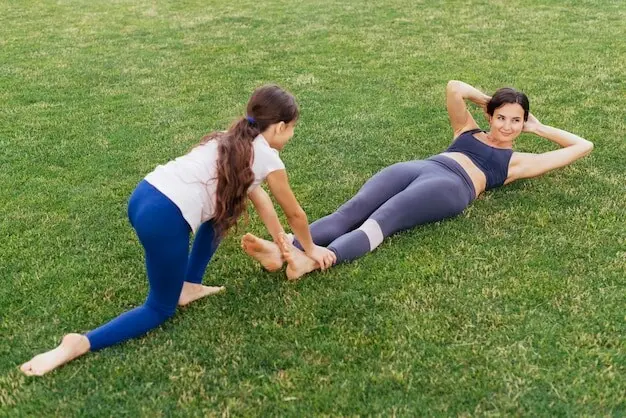
Build a reliable reset with a simple, adaptable routine requiring only floor space and comfortable shoes. Begin with slow nasal breaths, then wake the spine, shoulders, hips, and ankles in accessible arcs. Finish with an easy three-to-five-minute walk inside or outside. Each piece is intentionally forgiving, stackable, and friendly to different abilities, so you feel refreshed, not depleted. Over time, refine tempo, add reps, and personalize transitions until the sequence feels like second nature.

Routes, Loops, and Micro-Adventures at Work

Not every break needs sunshine or a park bench. Curate an indoor loop for rainy days, an outdoor circuit for blue skies, and a stairwell route for variety. Label them by minutes rather than distance to simplify decisions under pressure. Add playful missions—spot a color, count plants, notice three textures—to make repetition feel fresh. Safety first: choose well-lit areas, follow building guidelines, and save routes as favorites so friction never steals your momentum.

Indoor Loops That Dodge Meetings

Map a quiet rectangle through corridors you already frequent, ideally passing a refill station and a window. Time the loop at a relaxed pace to create a dependable three- or four-minute option. Post a tiny marker—like a sticky dot—near your start point as a visual cue. When calendar pings stack up, take the loop anyway, reminding yourself the quickest break is the one that actually happens, not the ideal one you postpone indefinitely.

Outdoor Mini-Routes for Fresh Air

Scout a short sidewalk triangle with minimal crossings or a courtyard oval framed by trees. Consider shade, wind, and lunchtime crowds. Keep a lightweight layer and compact umbrella near the door to lower weather excuses. Use landmarks—a mural, planter, or bike rack—as gentle progress checks rather than performance metrics. Outside, let your breath match your steps for several counts, collecting sensory details you can recall later when work gets loud again.

Make It Stick With Cues and Calendars

Consistency thrives on gentle structure. Tie your mobility flow to existing anchors—after a call, before coffee, when refilling water—so breaks feel natural, not negotiable. Protect two or three brief holds on your calendar with inviting names that teammates respect. Use timer chimes, smartwatch nudges, or app streaks sparingly to encourage, not pester. Most importantly, celebrate tiny wins: one loop taken under pressure is a bigger victory than five loops planned and missed.

Footwear and Clothing That Reduce Friction

Comfort cues action. Slip-on sneakers with adequate cushioning transform I should move into I already started. Choose breathable fabrics and layers that adapt to stairwells, courtyards, and temperature swings. Stash blister patches and spare socks for rainy surprises. When clothes and shoes cooperate, spontaneity blooms, and micro-walks stop requiring mental negotiations. The less you prepare, the more you move, and every simple stride reinforces the identity of someone who takes steady, caring breaks.

Desk Setup That Primes You to Move

Ergonomics is not only about sitting; it is about seamless transitions. Angle the monitor to invite a tall gaze, keep essentials within reach, and leave a tiny clearing to step into your flow. A stable chair encourages healthy posture when you return, while a light, easily adjustable desk reduces fidgety strain. Place a water bottle on the perimeter so refills become built-in walking prompts, letting your workspace whisper, Ready when you are, several times daily.

Culture, Inclusion, and Gentle Competition

Xarivirolorodexodavo
Privacy Overview

This website uses cookies so that we can provide you with the best user experience possible. Cookie information is stored in your browser and performs functions such as recognising you when you return to our website and helping our team to understand which sections of the website you find most interesting and useful.