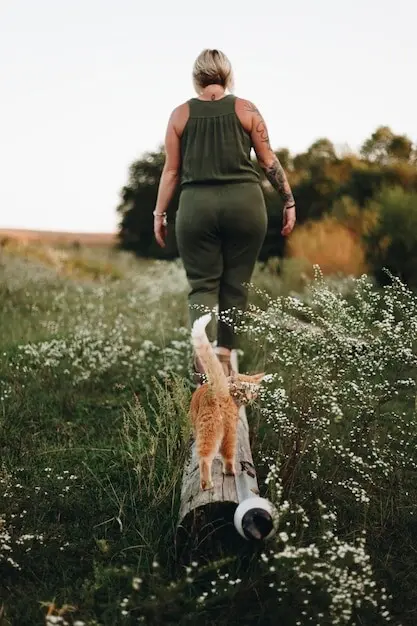
Walk With Ease, Move With Joy

Welcome to a gentle, practical guide to Joint-Friendly Walking Flows for Older Adults, where movement patterns are intentionally organized to protect knees, hips, and ankles. Discover simple sequences, posture cues, and rhythmic pacing that build comfort and confidence, support heart health, and fit real life. Expect science-backed insights, uplifting stories, and doable routines you can start today, even if you are easing back after stiffness.

Foundation of Comfortable Motion

Posture Cues That Reduce Pressure

Imagine a string lifting the crown of your head while your chin floats level and shoulders melt wide. Stack ribs softly over pelvis, unlock the knees, and place feet hip-width apart. Let arms swing naturally, keep steps small, and aim your gaze ahead. These cues spread force, ease joint friction, and instantly make sidewalks, corridors, and store aisles feel friendlier for everyday errands and longer outings.

Cadence Before Distance

Favor an easy rhythm before chasing mileage. Many older walkers feel best around a light tempo, such as one hundred to one hundred fifteen steps per minute, using shorter strides that land beneath the body. A quiet metronome, gentle playlist, or counting breaths can guide consistency. Prioritizing cadence smooths impact forces, raises confidence, and often reduces next-day soreness even as weekly time gradually increases.

Breath-Led Warmup

Begin with three minutes of nose-in, soft-mouth-out breathing while standing tall near a wall or railing. Add ankle circles, heel-toe rocks, and slow marching to wake calves and hips. Keep pain strictly below mild discomfort. When warmth spreads and breath steadies, start walking gently, maintaining easy conversation pace that reassures your nervous system and keeps joints lubricated for the first longer block.

Flow Routines You Can Memorize

Simple, repeatable sequences make consistency effortless. Organize each outing into warmup, activation, cruising blocks, brief resets, and a soothing cool down. Time-based segments, not distance goals, help you adjust for hills, weather, or energy. With clear names and predictable steps, these flows travel well from neighborhood loops to grocery trips, building familiarity that lowers stress and protects tender joints on both easy and challenging days.

Footwear That Loves Your Joints

Choose cushioned, rocker-sole walking shoes with a stable heel counter and generous toe box, ideally fitted late in the day when feet are slightly larger. Replace worn pairs before tread flattens. Consider moisture-wicking socks and elastic laces for easier on-off. Share brand experiences to help others compare options, because the right pair often reduces knee ache immediately and encourages longer, happier strolls without extra effort.

Choosing Friendly Routes

Scout routes at midday light to inspect cracks, slopes, and curb cuts. Favor loops near benches, bathrooms, and crosswalks with ample signals. If sidewalks tilt, alternate directions to balance load between legs. Parks with cinder paths cushion steps beautifully. Tell us which neighborhoods feel welcoming in your city, so readers can collect ideas, map gentle circuits, and walk more often with confidence and curiosity.

Using a Cane or Poles Confidently

Match the cane height to your wrist crease while standing tall, and hold it in the hand opposite a sensitive knee or hip. Practice four-count patterns on level ground before tackling inclines. Trekking poles lighten steps and encourage upright posture. Share coordination tricks you discovered, because peer wisdom often turns hesitation into steadiness within a single outing, transforming errands into comfortable, enjoyable adventures.

Strength Meets Steps

Motivation and Mindset

Kind self-talk and visible wins keep consistency alive. Celebrate minutes moved, not miles. Pair walks with uplifting rituals: favorite cap, friendly neighbor wave, or a snapshot of a blooming tree. A simple journal tracking comfort, cadence, and scenery turns patterns into progress. Share reflections or questions in the discussion, helping this community troubleshoot barriers and cheer each other through ordinary days and tougher weeks.

The 10 Percent Gentle Rule

Many thrive by increasing weekly walking time by no more than ten percent, then holding steady every third week. This slow expansion protects cartilage, tendons, and confidence while teaching patience. Pair increases with slightly richer recovery: extra sleep, hydration, and soothing heat. Tell us how you adapt this guideline around travel or appointments so others can learn flexible, realistic pacing that still moves forward.

Reading Signals, Not Fears

Differentiate protective discomfort from sharp pain by monitoring qualities, duration, and location. Gentle morning stiffness that eases with movement is common, while stabbing or worsening pain calls for rest and assessment. Keep a short log to recognize patterns. Share what sensations confused you initially, because peer explanations often clarify decisions, reduce anxiety, and keep walkers active while respecting limits and building trust in their bodies.

When to Call a Professional

Seek guidance from a physical therapist or clinician if swelling persists, range of motion declines, or pain interrupts sleep. Skilled assessment can refine gait, suggest inserts, and tailor strengthening. Early consultation prevents setbacks and speeds comfort gains. Ask your provider about cadence targets, surface choices, and assistive devices. Then return and share lessons learned, helping others navigate appointments confidently and advocate for comfortable, enjoyable movement.

Xarivirolorodexodavo
Privacy Overview

This website uses cookies so that we can provide you with the best user experience possible. Cookie information is stored in your browser and performs functions such as recognising you when you return to our website and helping our team to understand which sections of the website you find most interesting and useful.